Matted Hair
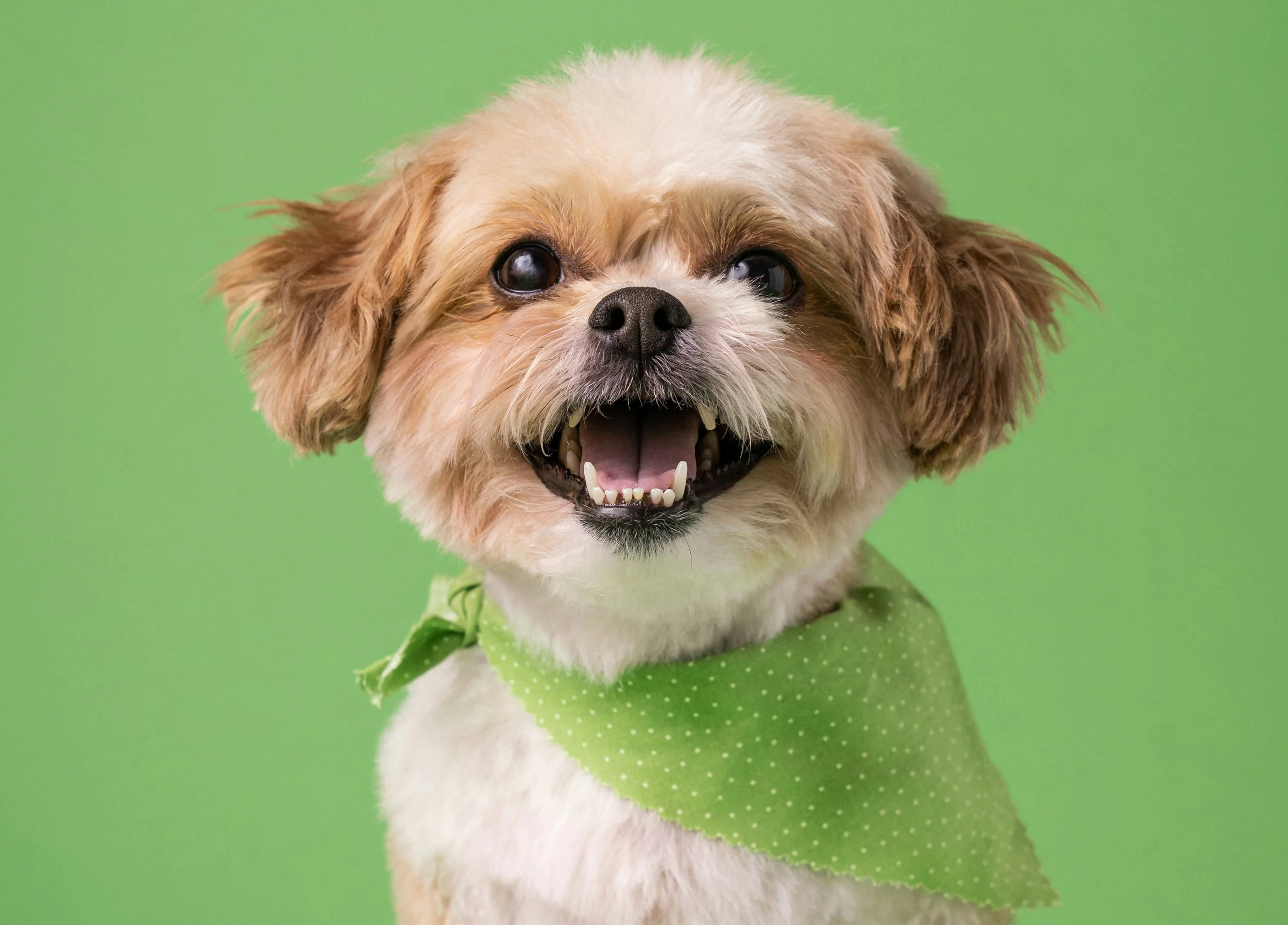
Photo by Karsten Winegeart on Unsplash
Many dog owners turn to professional groomers to deal with their pet’s matted hair. And most don’t really understand what matted hair is and why it can be uncomfortable and even dangerous for their dog. Here’s a FAQ from Elizabeth Toc, co-owner of The Tailored Tail, to explain the ins and outs of matted dog hair.
Q: What does it mean if my dog has matted hair?
A: Matted dog hair is dense and tangled and appears on the coat as knots or clumps—different than the rest of the dog’s coat.
Q: What causes matting?
A: Mats tend to frequently form in areas where there is lots of friction (like under the collar) and sometimes can be formed if a dog gets wet and muddy.
Q: Why should I care about matted hair on my dog?
A: Matted hair can be uncomfortable for a dog, especially in sensitive areas. It can actually impact your pet’s health if the tangled knots lead to sores, infection or even restrict blood flow.
Q: How do I get them out?
A: An owner can try to get matted hair untangled, but more often than not this is a job for a professional groomer who is experienced at using techniques and proper tools for dematting.
Q: What dogs are the most prone to matted hair?
Poodles
Bichon Frisés
Cocker Spaniels
Dogs with long coats
Heavy shedder breeds
Breeds with curly or wavy hair
Doodle-mixes
Q: Where are the most common spots to check for matted hair?
A: Ears, tummy and under the arms and legs
Q: How do I prevent my dog from getting matted?
A: Regular brushing to get rid of excess hair. And also regular bathing and appointments with a groomer.
Q: How does the groomer tackle difficult tangles?
A: Professional groomers often use scissors, special dematting brushes and conditioners to untangle the tough spots. They see more dogs with these issues in summer and winter when dogs shed their coats. Groomers can also recommend particular styles and cuts to reduce the chance of matted hair.